
The Human Side of Business
We believe people are the driving force behind every successful business. As one of Malta’s trusted HR consultancies, we specialise in recruitment, payroll outsourcing, training, and people management solutions that help organisations reach their full potential.
Our bespoke approach ensures your organisation secures the right talent, strategies, and support needed to thrive in today’s competitive market.

- About Us
Your HR Partner in Malta
As a leading HR consultancy in Malta, we recognise that every organisation is unique. We provide tailor-made solutions designed to meet your specific challenges and help your team reach its full potential. Over the years, we have built a trusted reputation for integrity, professionalism, and delivering tangible results for our clients.
Local Expertise: Deep market knowledge paired with strategies that respect your unique company culture.
A Trusted Partner: Professionalism and integrity ensure your HR needs are always in expert hands.
Proven Results: Tangible outcomes that empower your people and drive sustainable business growth.
- Values
Our Core Values


These core values are the foundation of Quad Consultancy.
We believe in the power of people to drive sustainable growth. That’s why we work closely with organisations and individuals, crafting tailor-made solutions that unlock potential and deliver measurable results.
Together, we achieve shared success and build long-lasting partnerships.

- Your Next Move
Our Clients are Hiring
Stay up to date with the latest career opportunities across Malta. Explore the most recent vacancies and take the next step towards a role that matches your skills, goals, and ambitions.
- Our Services
Comprehensive HR Solutions for Maltese Businesses
Whether you are a growing SME or an established enterprise, we provide end-to-end HR services designed to streamline your operations, reduce costs, and strengthen your workforce.
From strategic HR consultancy to practical support with recruitment and payroll management, we act as your trusted HR partner.


HR Services
Comprehensive HR solutions tailored to your business needs. From HR strategy and employee engagement to performance management and compliance, we help you build a high performing workplace culture that drives sustainable growth.


Outsourced Payroll
We handle all payroll processing and administrative complexities, ensuring accuracy and full compliance with Maltese regulations. Free up your time to focus on growing your business while we manage your payroll requirements.


Workplace Mediation
Our mediation services resolve workplace conflicts effectively while maintaining positive employee relations. We facilitate constructive dialogue and ensure compliance with Maltese employment legislation, protecting both your business and your team.
Our Blog Posts
Monday Nudge - Authoritative Presence
Learn how to project confidence and certainty in the boardroom. Master your leadership presentation skills with Quad Consultancy's practical workshop. ...more
Monday Nudge , Learning & Development
September 14, 2026•3 min read

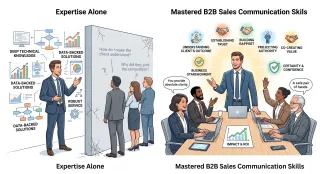
Monday Nudge - Master B2B Sales Communication Skills For Maximum Impact
Enhance your team's B2B sales communication skills. Drive ROI by projecting certainty and understanding client outcomes. Practice at Quad Consultancy's workshop. ...more
Monday Nudge , Learning & Development
September 07, 2026•3 min read
Monday Nudge - Internal Skills Mobility: Rethink Your Workforce Strategy
Learn how internal skills mobility empowers organisations to fill critical talent gaps, boost employee engagement, and build a highly resilient workforce. ...more
Monday Nudge ,Business Strategy
August 31, 2026•3 min read

- Testimonials
What Our
Clients Say
We have earned the trust of businesses and professionals across Malta through our commitment to excellence, personalised service, and proven results.
Our clients value our professional approach, efficiency, and genuine dedication to their success.


QUICK LINKS
GET IN TOUCH
LEGAL
© Copyright 2026 - Designed & Developed By Yellow Pages (Malta) Ltd.